

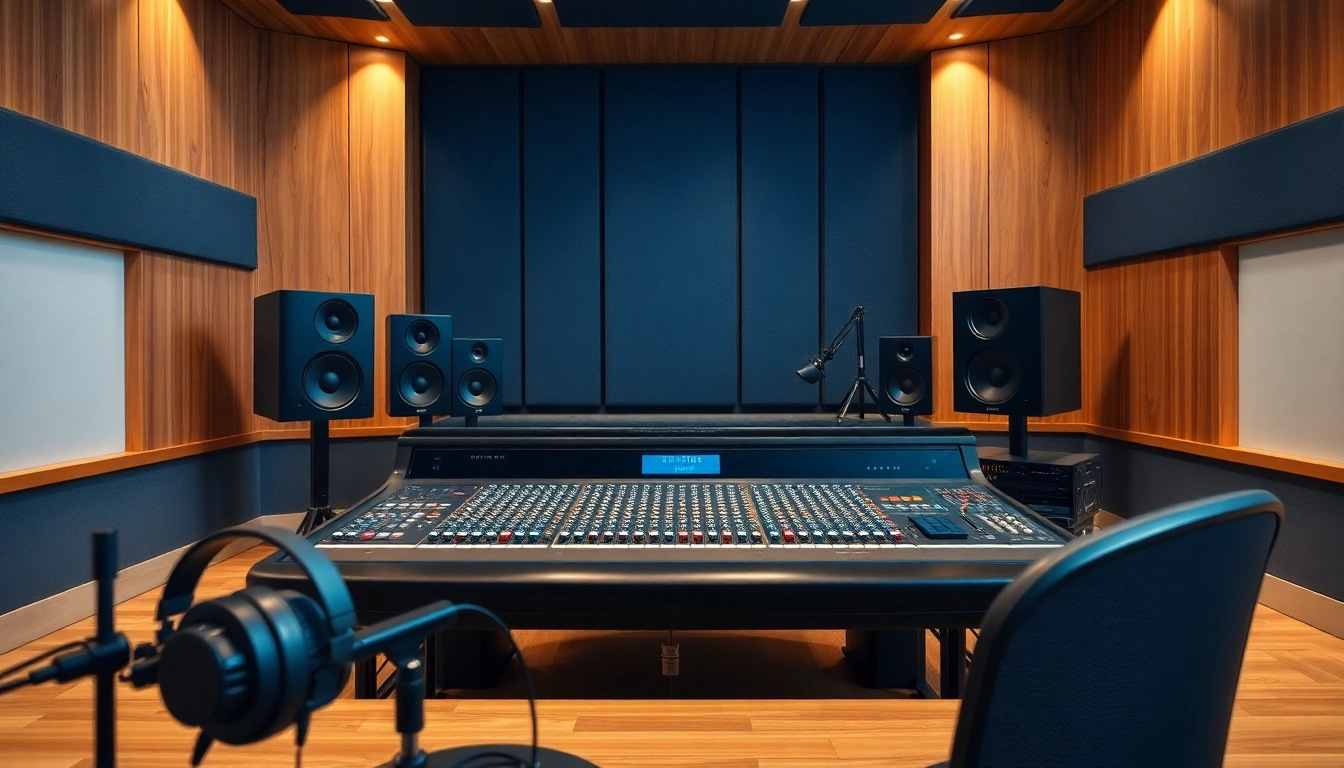
Introduction to Online Audio Mastering
In the evolving landscape of music production, the term online audio mastering has gained considerable traction. This innovative approach enables musicians and producers to enhance their tracks through digital platforms, making quality mastering services more accessible than ever. This article delves into the intricacies of online audio mastering, shedding light on its processes, advantages, and key factors to consider when selecting a service.
What is Online Audio Mastering?
Online audio mastering is the final step in the music production process, where the mixed tracks are polished and optimized for various formats and playback systems. This process involves balancing the sonic elements of a track, ensuring it sounds its best across different media, from streaming platforms to vinyl records. The master is then used to create copies for distribution or broadcasting.
Benefits of Online Audio Mastering
Choosing online audio mastering services comes with a multitude of advantages:
- Accessibility: Artists can access professional mastering services from anywhere in the world.
- Affordability: Online options tend to offer competitive pricing compared to traditional studios.
- Speed: Many services provide quick turnaround times, allowing artists to get their music released faster.
- Variety of Services: Artists can choose from different mastering styles and techniques tailored to their specific needs.
- Convenience: Uploading tracks and receiving mastered files can be done from the comfort of one’s home or studio.
Key Differences from Traditional Mastering
While traditional mastering involves a physical presence in a studio with an engineer, online audio mastering allows for remote interactions:
- Location: Online services can be accessed from anywhere, providing greater flexibility.
- Personalization: Clients often receive tailored advice and options based on their musical style and preferences.
- Efficiency: With technology advancements, online mastering can yield results that rival or even surpass traditional methods.
- Continuous Innovation: Online services often adopt the latest software and techniques, ensuring state-of-the-art results.
Choosing the Right Online Audio Mastering Service
Factors to Consider When Selecting a Service
When it comes to choosing the right online audio mastering service, several factors must be considered to ensure the best results for your music:
- Experience: Look for a service with a proven track record and positive testimonials.
- Quality of Work: Request sample masters or visit their website for examples of previous work.
- Customer Support: A responsive support team can offer valuable assistance and guidance during the mastering process.
- Turnaround Time: Check how quickly the service can deliver the mastered tracks.
- Cancellation Policy: Understand the terms regarding refunds or revisions to ensure peace of mind.
Comparing Features and Pricing
As you evaluate different online services, it’s essential to compare their features and pricing models:
- Pricing Tiers: Some services offer tiered pricing based on either the length of the track or the level of mastering you require.
- Included Services: Check if the service includes additional offerings, such as consulting, multiple versions of a track, or specific genre mastering.
- Exclusive Features: Look for unique features, such as automated mastering or personalized feedback from an audio engineer.
Reading Reviews and Testimonials
Gathering information from previous clients can provide valuable insights into a service’s effectiveness:
- Platforms: Consider checking independent review platforms or forums to discover what users say about their experiences.
- Direct Communication: Reach out to fellow artists to hear about their recommendations and experiences with specific services.
- Engagement: Analyze how the service responds to public feedback to gauge their commitment to customer satisfaction.
Understanding the Online Audio Mastering Process
Steps Involved in Mastering a Track
The online mastering process typically involves several key steps:
- Track Submission: Upload your mixed track to the chosen service’s platform.
- Initial Listening: The mastering engineer reviews your track to identify necessary enhancements.
- Processing: The engineer applies various techniques such as equalization, compression, and limiting to enhance the track.
- Review and Feedback: Often, clients receive an initial version for feedback. Make sure to provide specific notes if changes are needed.
- Final Adjustments: The engineer applies any final tweaks before rendering the master for distribution.
- Delivery: Your final master is delivered in the required format, ready for distribution.
Common Tools Used in Online Audio Mastering
Mastering engineers utilize various software and plug-ins to refine audio tracks:
- Digital Audio Workstations (DAWs): Popular DAWs like Pro Tools and Logic Pro are often used in the mastering process.
- Equalizers: EQs are essential for balancing frequency ranges within the track.
- Compressors: These tools help control the dynamics of the track, ensuring consistency.
- Limiters: Limiters prevent distortion by controlling peak levels without sacrificing volume.
- Analyzers: Visual tools that provide feedback on frequency balance and dynamic range during mastering.
Best Practices for Optimal Results
To ensure your track achieves the best possible outcome, consider the following best practices:
- Provide Clear Instructions: Communicate your vision and any specific requirements to the mastering engineer.
- Use Quality Mixes: Ensure your mix is polished, as imperfections can be amplified during the mastering process.
- Reference Tracks: Share songs with a similar sound that you aspire to attain for context.
- Check File Formats: Always upload your audio in the highest quality available to preserve fidelity.
Common Pitfalls to Avoid in Online Audio Mastering
Over-Compression and Its Effects
One common mistake during mastering is over-compression, which can lead to a lack of dynamics in your track. While compression is vital for creating a balanced sound, excessive use can result in a flat and lifeless audio experience. Aim for subtle adjustments to maintain musicality.
Ignoring the Importance of Reference Tracks
Reference tracks are invaluable tools for mastering. They provide benchmarks for volume levels, tonal balance, and overall sound. Ignoring them can lead to tracks that feel out of place within a genre or less impactful than competitors. Always use reference tracks to maintain perspective during mastering.
Failing to Communicate with the Mastering Engineer
Clear communication with your mastering engineer is essential for achieving your desired sound. Many artists fail to provide enough context or feedback during the mastering process, leading to unsatisfactory results. Be proactive in sharing your thoughts, and don’t hesitate to ask questions to ensure clarity.
Measuring Success After Online Audio Mastering
Key Performance Indicators for Your Tracks
To determine the success of your mastered track, consider these key performance indicators:
- Streaming Metrics: Track the performance on platforms like Spotify or Apple Music, focusing on play counts and listener retention.
- Engagement: Monitor social media interactions, including shares and comments, which indicate audience reception.
- Sales: Assess sales figures if selling physical copies or digital downloads, as they reflect commercial success.
- Radio Play: Consider airplay as a metric for outreach and recognition in relevant markets.
Feedback and Iteration for Continuous Improvement
Gathering feedback post-release is invaluable for future projects. Engage with your audience and fellow musicians to gain insights into what resonated and what didn’t. Iterating on feedback helps refine your approach in subsequent releases, ensuring continual growth and success.
Leveraging Social Media and Streaming Platforms
Use social media and streaming platforms to promote your mastered track effectively:
- Engaging Content: Create scenes behind the songs, ask questions to engage audiences, and share snippets to maintain interest.
- Networking: Collaborate with influencers or fellow musicians to reach a wider audience and increase visibility.
- Consistent Branding: Keep your visuals and messaging aligned across platforms to establish a cohesive artist identity.
FAQs
What is online audio mastering?
Online audio mastering is the final stage in music production where tracks are polished for distribution, optimizing sound quality across various media.
How does online mastering differ from traditional mastering?
Online mastering offers remote access and often more affordable services, while traditional methods typically involve in-studio sessions with an engineer.
What should I provide for mastering?
Upload high-quality mixed tracks, reference tracks for desired sound, and clear instructions outlining your specific preferences for the mastering process.
Can I request changes after the initial master?
Yes, many online mastering services allow feedback and revisions during the process, so you can ensure the final product meets your expectations.
How long does online audio mastering take?
The turnaround time varies by service, but many offer quick options ranging from a few hours to a couple of days, depending on demand and complexity.
