

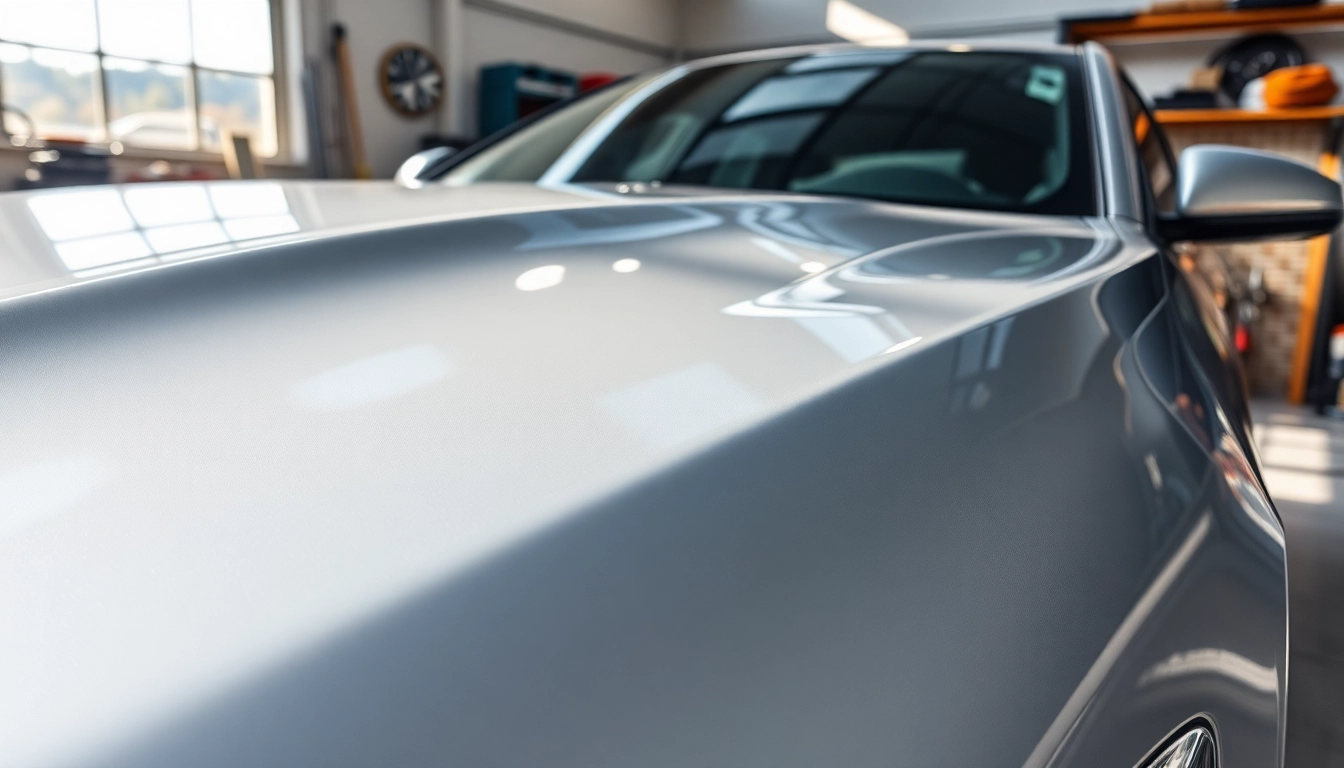
Understanding Paint Protection Film
What is Paint Protection Film?
Paint Protection Film (PPF), often referred to as clear bra, is a transparent thermoplastic urethane film that is applied to the exterior surfaces of a vehicle to protect its paint. The primary purpose of paint protection film is to safeguard against scratches, chips, and other forms of wear that can arise from everyday driving conditions. PPF is typically applied to high-impact areas of the vehicle such as the front hood, fenders, and side mirrors, though it can be used to cover more extensive areas based on consumer preferences.
Benefits of Paint Protection Film
The adoption of paint protection film provides numerous advantages. First and foremost, it preserves the aesthetic appeal of a vehicle, maintaining its value over time. By acting as a barrier against environmental contaminants such as dirt, bird droppings, road salt, and UV rays, PPF helps to prevent fading and oxidation, ensuring the color and gloss of the paint remain vibrant. Additionally, paint protection film is self-healing, meaning minor scratches can disappear over time with exposure to heat. This characteristic enhances convenience by reducing the need for regular maintenance.
How Paint Protection Film Works
Paint Protection Film works through its unique construction, which involves multiple layers of polymers that offer both flexibility and durability. This multi-layered composition allows the film to absorb impacts and resist physical damage. The top layer is engineered to be hydrophobic, reducing the adhesion of contaminants and enabling easier washing. When applied correctly, the film adheres directly to the car’s paint, creating an invisible shield that offers a high degree of protection without altering the vehicle’s appearance.
Choosing the Right Paint Protection Film
Factors to Consider When Selecting
When deciding on paint protection film, it is essential to consider several critical factors. These include the quality of the film, its clarity, the ease of installation, and the availability of warranty options. It is advisable to select a film that offers a high level of durability while still being flexible enough to conform elegantly to the vehicle’s design. Consumers should also factor in the specific needs of their vehicle, such as driving conditions and typical environmental exposure.
Types of Paint Protection Films Available
There are various types of paint protection films available in the market today. These can generally be categorized into two primary types: self-healing and non-self-healing films. Self-healing films have properties that enable them to recover from minor scratches and abrasions, while non-self-healing films are typically less expensive but may require more frequent replacement. Additionally, clear or matte finishes are available, allowing consumers to select based on their aesthetic preference.
Evaluating Quality and Durability
To evaluate the quality and durability of paint protection films, consumers should consider factors such as thickness and conformability. Thicker films tend to offer better protection but may also be more challenging to install. Moreover, reputable manufacturers often provide detailed product specifications, including UV resistance, tensile strength, and warranty details. Researching reviews and testimonials can also guide consumers in selecting high-quality products.
Installation Process of Paint Protection Film
Preparing Your Vehicle
Proper preparation of the vehicle is crucial for successful paint protection film installation. This involves thoroughly washing and decontaminating the vehicle’s surface to eliminate any dirt, wax, or sealant residues that could hinder adhesion. After washing, inspecting the paint for imperfections, such as scratches or chips, and addressing these issues is essential, as they can compromise the film’s performance. Ensuring the environment is free of dust and humidity will also contribute to a smooth installation process.
Step-by-Step Installation Guide
The process of installing paint protection film typically follows these steps:
- Measure and Cut: Measure the surface area to determine how much film is needed, and cut the film using precise dimensions.
- Apply Lubricant: Use a slip solution to keep the film pliable and facilitate adjustment during application.
- Placement: Position the film over the desired area, taking care to avoid wrinkles and bubbles.
- Adhere: Use a squeegee to press the film onto the paint, removing air bubbles and ensuring good adhesion.
- Trim Edges: After the film is securely applied, trim any excess film using a utility knife.
- Final Checks: Inspect the installation for any imperfections, ensuring the film is smoothly applied and adhered properly.
Common Mistakes to Avoid
While installing paint protection film can be a straightforward process, there are common mistakes that can lead to subpar results. These include applying the film in direct sunlight which can cause the adhesive to cure too quickly, neglecting to clean the surface adequately leading to poor adhesion, and not allowing the film to acclimate to the temperature. Additionally, rushing through the installation can lead to bubbles or wrinkles, which not only affect the appearance but can also reduce protective qualities.
Maintenance Tips for Paint Protection Film
Cleaning and Care Guidelines
Taking care of paint protection film involves straightforward cleaning and maintenance practices. It is advisable to wash the film using pH-neutral soap and a soft microfiber cloth, avoiding abrasive materials that could scratch the surface. Regular cleaning will prevent the buildup of contaminants, which can affect the film’s clarity. Additionally, applying a ceramic sealant can enhance protection and boost hydrophobic properties, making dirt and grime easier to remove.
Signs Your Film Needs Replacing
Recognizing when paint protection film needs replacement is vital for maintaining optimal protection. Signs include extensive yellowing, edges lifting, or evidence of cracking and peeling. If the film has absorbed too much damage or is no longer self-healing, replacement may be necessary to ensure continued protection. Regular inspections can help pinpoint these issues early, allowing for proactive measures to be taken.
How to Extend the Life of Your Film
Extending the life of paint protection film entails adopting a few best practices. One should avoid high-pressure washing or car washes with harsh chemicals, as these can degrade the adhesive quality. Parking in shaded or covered areas can also reduce the effects of UV exposure, which can lead to yellowing and degradation over time. Additionally, promptly addressing any chips or scratches can prevent them from worsening, thereby prolonging the film’s overall lifespan.
Frequently Asked Questions
What is the cost of paint protection film near me?
Prices vary, but typical costs range from $500 to $2,000 based on vehicle size and film type.
How long does paint protection film last?
When correctly installed, paint protection film can last between 5 to 10 years, depending on conditions.
Can I install paint protection film myself?
Yes, but professional installation is recommended for the best results and longevity of the film.
Will paint protection film damage my car’s paint?
No, it is designed not to damage the paint. When removed, the paint underneath remains intact.
How does weather affect paint protection film?
Extreme weather can affect adhesion, so it’s best to avoid prolonged exposure to harsh elements after application.
For those searching for the best options for paint protection film near me, understanding the nuances of this product can lead to more informed purchasing decisions and better protection for your vehicle.
