
Understanding Custom Pins: A Comprehensive Overview
Custom pins are more than just decorative accessories; they serve as meaningful tokens of identity, recognition, and expression across various settings, from corporate events to artistic showcases. As a burgeoning segment of promotional merchandise, the demand for personalized pins has surged, especially in vibrant communities such as schools, clubs, and non-profit organizations. Companies and individuals alike are increasingly turning to custom pins to convey messages, commemorate achievements, and build brand identity. When exploring options, custom pins provide comprehensive insights into the vast possibilities available.
What Are Custom Pins?
Custom pins are small, often decorative items worn on clothing or accessories that feature custom designs, logos, or artwork. These pins can be crafted from various materials, including metal, enamel, and acrylic, and can be tailored to suit any occasion or purpose. Ranging from lapel pins to button pins and even commemorative badges, they are designed to be unique representations of the wearer’s identity or affiliations.
Popular Types of Custom Pins
- Enamel Pins: These pins are coated with enamel, giving them a vibrant finish. They are available in two varieties: hard enamel, which has a smooth surface, and soft enamel, which features raised edges.
- Button Pins: Often used for promotional purposes or events, these pins are lightweight and can feature any design, typically made with a metal or plastic backing.
- Sticker Pins: A newer trend, these pins are made with a sticker-like material, allowing for intricate designs that are easy to produce.
- Acrylic Pins: Made from durable acrylic material, these pins can be shaped into various forms and are often used for creative or artistic designs.
Common Uses for Custom Pins
Custom pins serve numerous purposes across different sectors:
- Corporate Branding: Companies often use custom pins as a means of promoting their brand, creating a cohesive image among employees at events and functions.
- Awards and Recognition: Organizations award custom pins to recognize accomplishments, fostering a sense of pride and achievement among recipients.
- Event Promotion: Custom pins are popular at conventions and trade shows, serving as keepsakes that attendees can wear to promote brands or events.
- Fashion Statements: Beyond functionality, pins can simply be a fashion accessory, showcasing personal style or interests.
The Process of Creating Custom Pins
Creating custom pins involves several steps, each requiring careful consideration to ensure the final product aligns with your vision. From design to delivery, understanding the process is essential for achieving the best results.
Designing Your Custom Pin: Tips and Best Practices
A successful design is critical in making your custom pin stand out. Here are some best practices:
- Simplicity is Key: Keep designs clear and uncomplicated, as intricate details may be lost in small sizes.
- Color Selection: Choose colors that reflect your brand or message and ensure they complement each other.
- Vector Graphics: Use vector graphics for designs to maintain quality during resizing.
Choosing the Right Materials for Your Pins
The material of your pin affects both its appearance and durability. Common options include:
- Metal: Provides a classic, professional look and long-lasting durability.
- Enamel: Offers vibrant colors and can be either hard or soft based on the desired finish.
- Acrylic: Lightweight and versatile, suited for intricate designs.
Manufacturing Techniques: From Concept to Creation
There are various manufacturing techniques employed in pin production:
- Die Struck: Pins created by cutting metal into shape, providing a traditional appearance with raised designs.
- Offset Printing: Ideal for detailed images and designs that require color gradients.
- Photo Etching: A technique perfect for achieving intricate designs on metal pins.
Marketing Your Custom Pins Effectively
Once your custom pins are created, effective marketing strategies come into play to ensure they reach the intended audience.
Targeting Your Audience: Who Wants Custom Pins?
The customer base for custom pins is diverse, reaching various demographics including:
- Corporations looking for promotional materials.
- Non-profits seeking recognition and fundraising tools.
- Artists and creators wanting to share their work.
Building a Brand Around Your Custom Pins
Creating a recognizable brand is essential for long-term success. Consider developing a signature style or a theme that reflects your mission while appealing to your audience.
Online Strategies for Selling Your Custom Pins
Leverage e-commerce platforms and social media for selling your pins effectively. Regularly engage with your audience through promotions, giveaways, and customer testimonials to build a loyal customer base.
Case Studies: Success Stories with Custom Pins
Examining practical applications of custom pins can offer valuable insights into their effectiveness and versatility.
Non-Profit Organizations Using Custom Pins
Many non-profits utilize custom pins for fundraising efforts and to foster community spirit. For example, organizations often create awareness pins with specific messages to advocate for causes, mobilizing support and resources.
How Businesses Use Custom Pins for Promotion
Businesses frequently use custom pins as part of their promotional strategy. They may offer pins as gifts with purchases, or distribute them at trade shows to boost brand visibility.
Artist Collaborations and Custom Pins
Artists commonly collaborate to design limited-edition custom pins that reflect their unique styles. These pins can create a buzz within their communities and become sought-after collectibles.
Future Trends in Custom Pins for 2026 and Beyond
The custom pin industry is constantly evolving, with new trends emerging that shape the landscape of promotional merchandise.
Emerging Styles and Designs in Custom Pins
In the coming years, expect to see more environmentally conscious designs and sustainable materials as consumers grow more environmentally aware. Trends like 3D printing may also transform how pins are designed and manufactured.
Technological Advances in Pin Production
Advancements in technology will continue to streamline production processes, allowing for quicker turnaround times and more intricate designs at lower costs.
Environmental Considerations in Custom Pin Manufacturing
As sustainability becomes increasingly important, manufacturers will need to adapt by utilizing eco-friendly materials and production processes that reduce waste and energy consumption.
What Are the Benefits of Custom Pins for Marketing?
Custom pins offer numerous advantages, including:
- Cost-Effective Marketing: They are relatively inexpensive to produce yet offer substantial marketing value.
- Versatile Applications: Suitable for various events, promotions, and recognition programs.
- Long-Lasting Impact: Custom pins often serve as lasting souvenirs, keeping your brand in front of customers long after initial contact.
How Can I Design My Own Custom Pins?
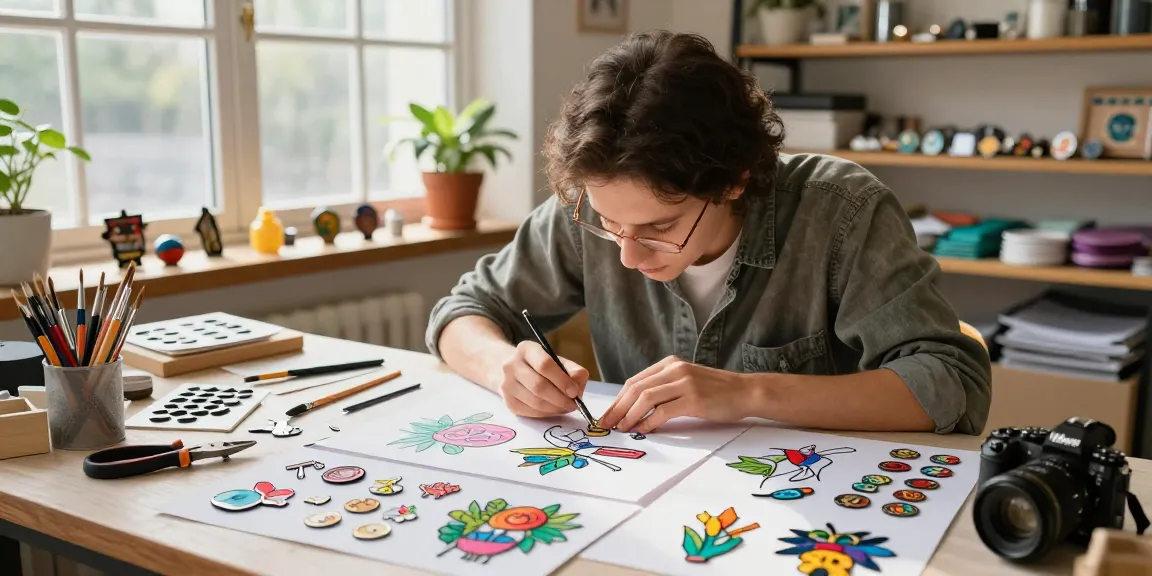
Designing your custom pins is easy with the right tools and knowledge. Use graphic design software to create your designs, or consider hiring a professional designer who specializes in pin designs for a polished look.
Are There Minimum Order Requirements for Custom Pins?
Many manufacturers have minimum order quantities, but these can vary significantly. Be sure to inquire with your supplier about their specific requirements.
What Materials Can Be Used for Custom Pins?
Common materials include metals, acrylics, and even biodegradable options. Selecting the right material depends on the desired aesthetics and budget.
How Do I Ensure Quality in Custom Pin Production?
To ensure quality, work with reputable manufacturers, review samples, and solicit feedback from previous clients to gauge the reliability and craftsmanship of the supplier.
