

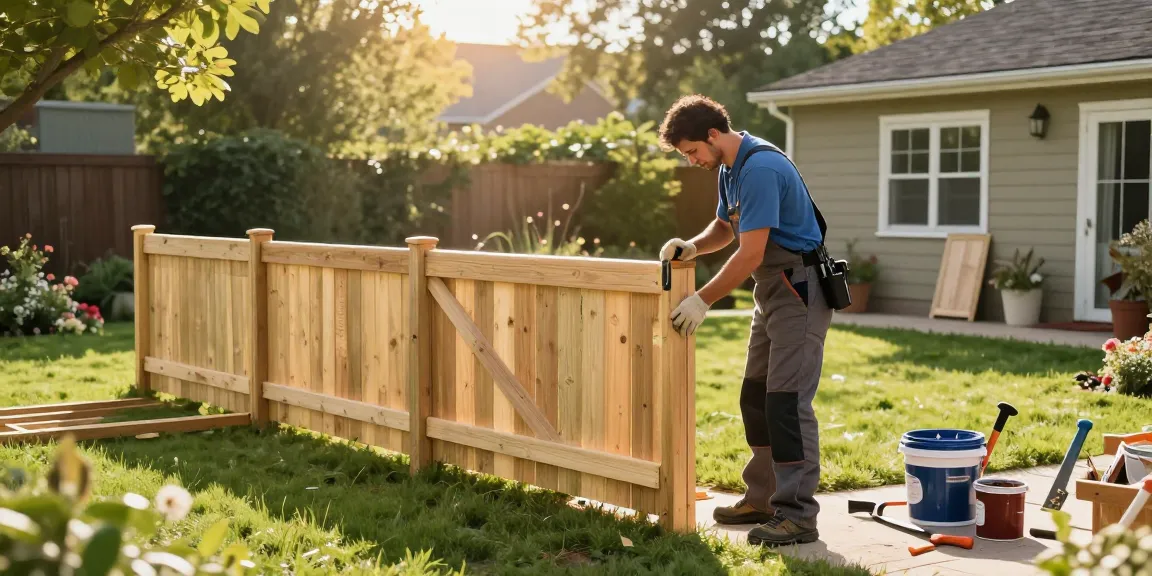
Understanding Fencing Needs
Fences play an essential role in defining property boundaries, enhancing privacy, and providing security. As homeowners look to improve their outdoor spaces, understanding the various fencing options available is critical. Whether you’re considering a new fence installation or need repairs for an existing one, knowing what to expect and the options available can save you time and money. As a dedicated provider, We fix fences and build fences with a high level of expertise, catering to both residential and commercial properties.
What Types of Fences Do Homeowners Prefer?
When it comes to fencing, homeowners often have a plethora of options. Some of the most popular types include:
- Wooden Fences: Known for their traditional aesthetic, wooden fences offer great versatility in design, color, and height.
- Vinyl Fences: Durable and low-maintenance, vinyl fences come in various styles and are resistant to fading and rust.
- Chain Link Fences: Cost-effective and functional, chain link fencing secures property without obstructing views.
- Aluminum and Wrought Iron Fences: These options provide strength and durability while adding an elegant touch to any landscape.
As much as the type of fence matters, so does the intention behind it—be it for privacy, aesthetics, or safety.
How to Assess Your Current Fence Condition?
Before making any decisions about repairs or replacements, it’s vital to examine your current fence’s condition. Key aspects to consider include:
- Structural Integrity: Check for any sagging or leaning sections, which may indicate that support posts are damaged or deteriorating.
- Material Wear: Look for signs of rot, rust, or corrosion depending on the type of material your fence is made of.
- Physical Damage: Evaluate for any broken boards, loose screws, or issues caused by severe weather or pests.
Understanding these factors can help you determine whether you need minor repairs or a complete fence replacement.
Why We Fix Fences and Build Fences Matters?
Engaging professional services for fence repair and installation is crucial for several reasons. Firstly, skilled contractors bring expertise and experience to the table, ensuring that the job is done right the first time. Secondly, they have access to high-quality materials and tools that may not be readily available to the average homeowner. Thirdly, a professional can help you navigate local building codes and regulations, preventing potential legal issues. Ultimately, their involvement can save you time, stress, and money in the long term.
Cost Considerations for Fence Repair and Installation
Understanding the financial aspects of fence repair and installation is essential for homeowners planning to enhance their property. Costs can vary widely based on several factors, including materials, size, and complexity of the work involved.
Average Costs to Fix Fences: What to Expect?
The cost to repair a fence typically ranges based on the extent of the damage. According to national averages:
- Minor Repairs: Fixing a small section or replacing a few boards may cost around $150 to $300.
- Average Fence Repair: For more extensive repairs, such as replacing several sections, costs can range from $500 to $900.
- Major Repairs: If the damage is significant, like storm damage or issues with posts, the expense can escalate to $1,000 to $1,500 or more.
Budgeting for New Fence Installation
When planning for a new fence installation, consider the following cost factors:
- Material Selection: Different materials come with varying price points, from budget-friendly chain link to more expensive wood or vinyl options.
- Labor Costs: Hiring professionals can add to your budget, but ensure their expertise justifies the expense.
- Permits and Regulations: Depending on your location, you might need permits, which can also incur additional costs.
It’s essential to get multiple quotes from contractors to ensure you’re getting a competitive price.
Hidden Costs in Fence Repair: Planning Ahead
Many homeowners overlook potential hidden costs when it comes to fence repair and installation. These can include:
- Site Preparation: Clearing the area or removing an old fence can add to your costs.
- Post-Installation Maintenance: Some materials may require ongoing maintenance that can be costly over time.
- Landscaping Restoration: After installation, you may need to restore landscaping, which can add an additional layer of expense.
Planning for these costs can prevent budget overruns and ensure a smooth project execution.
DIY vs. Professional Services: Choosing the Right Option
When deciding between a DIY approach and hiring professional services for fencing needs, there are several factors to weigh.
When to Attempt DIY Fence Repair
If you have some handyman experience and the repairs are minor (like replacing a few boards or tightening screws), a DIY approach could be feasible. Just be sure you have:
- All necessary tools and materials.
- A good understanding of the repair process.
- Time to dedicate to the project.
However, it’s essential to recognize your limits—complex repairs may end up being more costly if done incorrectly.
Benefits of Hiring Professional Fencing Contractors
While DIY can be appealing for minor tasks, hiring professionals offers distinct advantages:
- Skill and Speed: Professionals can often complete projects much faster due to their experience and efficiency.
- Quality Workmanship: A seasoned contractor will ensure high-quality installations and repairs, which can prevent future issues.
- Safety: Fencing work can involve heavy materials and tools; professionals are trained to handle these safely.
How to Choose the Right Fencing Company?
Selecting the right fencing contractor is critical. Here are some key considerations:
- Check Reviews: Look for feedback from previous clients on their quality of work and professionalism.
- Verify Credentials: Ensure the contractor is licensed, insured, and experienced in the type of fencing you want.
- Request Estimates: Obtain detailed quotes from multiple providers to compare pricing and services offered.
Taking these steps can lead you to a reliable fencing partner who meets your needs.
Current Trends in Fencing for 2026
Fencing is evolving to meet both aesthetic and functional requirements. Here’s what to look for in 2026:
Innovative Materials for Modern Fences
New materials are emerging that not only enhance durability but also offer eco-friendly options. For instance:
- Composite Fencing: Made from recycled materials, these fences mimic wood but are resistant to rot and insects.
- Smart Fencing Solutions: Incorporating technology, smart fences can provide security alerts and monitoring.
Eco-Friendly Fencing Solutions
As sustainability becomes a priority, homeowners are opting for fencing solutions that minimize environmental impact. Options include:
- Bamboo Fences: Fast-growing and renewable, bamboo is a sustainable choice that blends well with natural landscapes.
- Recycled Material Fences: Emphasizing upcycled materials that reduce waste typically found in traditional fencing.
Design Trends: Aesthetic and Functional Considerations
In addition to functionality, design is increasingly important. Current trends include:
- Mixed Materials: Combining different materials for visual contrast and unique designs.
- Vertical Gardens: Integrating living plants into fencing for aesthetics and additional privacy.
These innovations not only offer practical benefits but also enhance the overall look of residential and commercial properties.
Maintaining Your Fence for Longevity
Regular maintenance is pivotal in prolonging the lifespan of any fence. Here are some best practices to follow:
Best Maintenance Practices for Wooden Fences
Wooden fences can be sensitive to environmental changes. To maintain their condition:
- Regularly treat with preservatives or paints to protect against moisture, rot, and insect damage.
- Inspect for damaged boards and replace them promptly to prevent further issues.
Protecting Your Fence from Weather Damage
Weather can be harsh on fences. To safeguard your fence:
- Ensure proper drainage away from the fence to prevent water pooling.
- Trim back trees and shrubs that could rub against or damage the fence during storms.
Signs Your Fence Needs Immediate Attention
Identifying problems early can prevent costly repairs. Watch for:
- Visible sagging or leaning sections.
- Exposed or rotting wood.
- Loose nails or screws.
Frequently Asked Questions about Fence Repair?
As you navigate your fencing journey, you may have several relevant questions:
What’s the average price to fix a fence?
The average cost to fix a fence varies, with minor repairs starting around $150 to major repairs reaching $1,500 or more based on the extent of the damage and materials.
How often should a fence be maintained?
It’s best to assess your fence at least once a year, ensuring that you address any issues before they escalate into significant problems.
What materials are best for long-lasting fences?
Materials like vinyl, metal, and treated wood are known for their durability and can withstand environmental factors better than others.
Can I build a fence on my own property line?
While you can construct a fence on your property line, it’s advisable to consult local regulations as there may be restrictions or requirements regarding height and placement.
What permits do I need for fence installation?
Permitting requirements can vary by locality. Check with your local zoning or building authority before commencing installation to ensure compliance with any regulations.
